Professional Forensic Examination of Glass and Ceramics
Glass and ceramic materials are widely used in everyday life, construction, transportation, and industry. Even a tiny fragment can contain valuable information about the origin of an object, the circumstances of its breakage, and its possible connection to an investigated event.
Forensic examination of glass and ceramics makes it possible to determine whether recovered fragments originate from a specific item, identify the mechanism of breakage, and establish material characteristics. The results of such analyses often play a crucial role in legal proceedings, helping to confirm or refute the positions of the parties.
Objects Examined in This Type of Analysis
glass products (architectural, technical, and household glass);
ceramic items, including porcelain, faience, and similar materials;
fragments and shards remaining after breakage;
microscopic glass and ceramic particles recovered from clothing, vehicles, or environmental surfaces.
Request a service
If you require an examination of glass, ceramics, or related materials, the specialists of LLC “MHTC QUANT” are prepared to conduct the analysis at a high professional level.
20+ YEARS OF EXPERIENCE
Our team includes experts with over 20 years of experience in law enforcement and forensic science.
The QUANT laboratory is equipped with one of the most advanced suites of analytical instruments in Russia.
Objectives of Glass and Ceramic Examination
Forensic examination of glass and ceramics allows not only the determination of material composition and origin but also the reconstruction of the circumstances under which breakage occurred. Such analyses help establish which object the fragments originated from, identify evidence of contact between items, and even determine the nature and direction of the applied force. Through validated scientific methodologies, a forensic expert can answer key investigative and judicial questions, and the results often become significant evidence in various categories of cases.
determine the class or group affiliation of items or materials (fragments, microparticles, intact products);
identify the type of item from which the fragments originated;
detect and characterise microscopic particles found on clothing, vehicles, or other surfaces in order to establish their nature;
identify the cause of breakage (mechanical, thermal, or combined effects);
determine whether the material composition of an item conforms to the manufacturer’s declared specifications;
reconstruct the breakage mechanism, including the direction of applied force, the type of tool used to damage the surface, and the number and sequence of impacts.
Reliability and Legal Significance of the Examination
All examinations are conducted by specialists with appropriate academic qualifications and extensive experience in forensic practice.
Expert opinions are prepared in full compliance with the procedural legislation of the Russian Federation and are recognised by courts as authoritative and admissible evidence.
The use of modern laboratory infrastructure and internationally accepted analytical methodologies ensures:
high analytical accuracy;
objectivity of findings;
reproducibility of results.
For these reasons, expert conclusions issued by LLC “MHTC QUANT” are trusted by investigative authorities, courts, and commercial organisations.
Scientific Methods of Examination
In the analysis of glass and ceramic materials, modern methodologies of forensic chemistry, physics, and materials science are applied. Their use enables objective and reproducible results even when working with extremely small or highly fragmented samples:
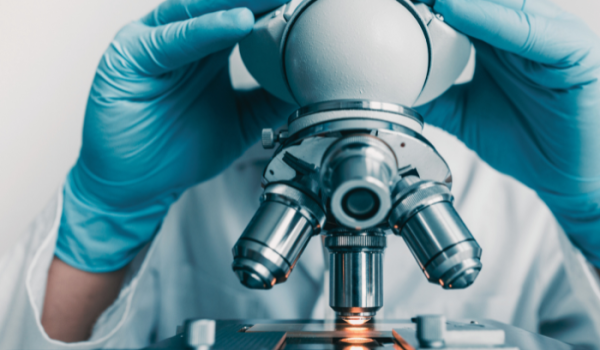
Microscopic analysis – examination of surface structure, fracture morphology, and indicators of mechanical or thermal effects.
Spectroscopic and chromatographic techniques – determination of elemental and chemical composition, identification of impurities and additives.
X-ray diffraction (XRD) analysis – characterization of crystalline structure and phase composition of ceramic materials.
Comparative analysis – matching microparticles with control or reference samples to determine their origin and association with a specific item.
The combined application of these analytical techniques ensures high reliability of conclusions, even when dealing with severely damaged specimens.
Significance for Forensic and Practical Applications
Glass and ceramic examinations are in demand across multiple forensic and technical domains:
In criminal investigations — supporting cases involving traffic accidents, thefts, homicides, arson, or other incidents where establishing the origin of fragments or the mechanism of breakage is essential.
In civil and commercial disputes — assessing the quality of construction materials and consumer products, and verifying compliance with declared specifications.
In technical and industrial practice — identifying the causes of failures in equipment, consumer goods, and industrial structures.
The results of such examinations serve as a reliable tool for establishing facts, confirming or refuting investigative or party claims, and reconstructing the sequence of events.
FAQ
Frequently asked questions
The opportunity to work abroad is a popular prospect, one
Yes. Even a single fragment may contain sufficient information to determine the material’s composition, origin, and the mechanism by which the object was broken.
It can determine the class characteristics of the materials, assess compliance with declared specifications, establish whether fragments originate from the same item, and reconstruct the mechanism of breakage.
Yes. The examination can determine whether the breakage was caused by mechanical force, thermal exposure, rapid temperature change, or other contributing factors.
Yes. Expert opinions issued by LLC “MHTC QUANT” are prepared in accordance with the procedural legislation of the Russian Federation and carry full legal force for use in court proceedings.
ABOUT THE COMPANY
QUANT Multidisciplinary Chemical Technology Center
is a specialist bureau providing forensic examination and analytical chemistry services. For over 20 years we have been conducting expert investigations and delivering reports that help our clients protect their interests in court and in out-of-court proceedings.